
Why Bee Bread?
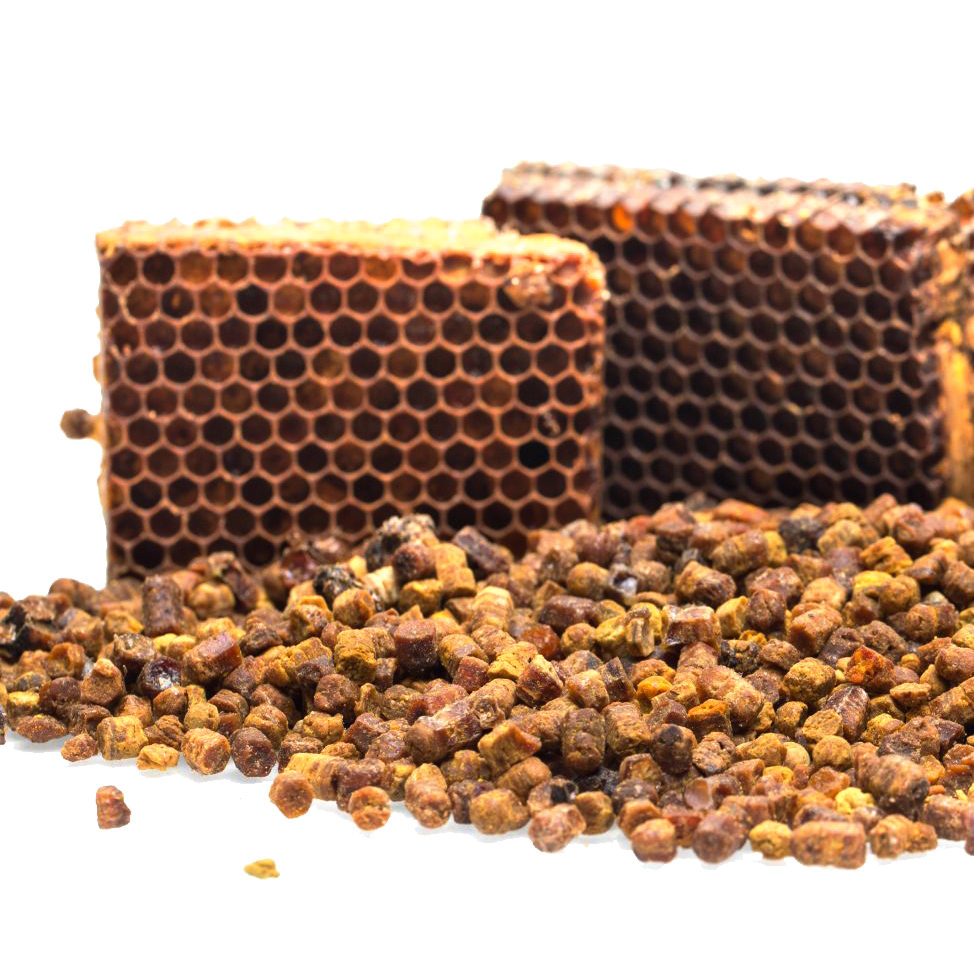
Bee Bread is pollen that’s naturally fermented in the hive. This process makes it more stable, develops its unique tangy taste, and creates a nutrient-dense food treasured in traditional use.
Nutrient-dense superfood
Bee Bread is naturally rich in vitamins, minerals, amino acids, and bioactive compounds
Austria origin
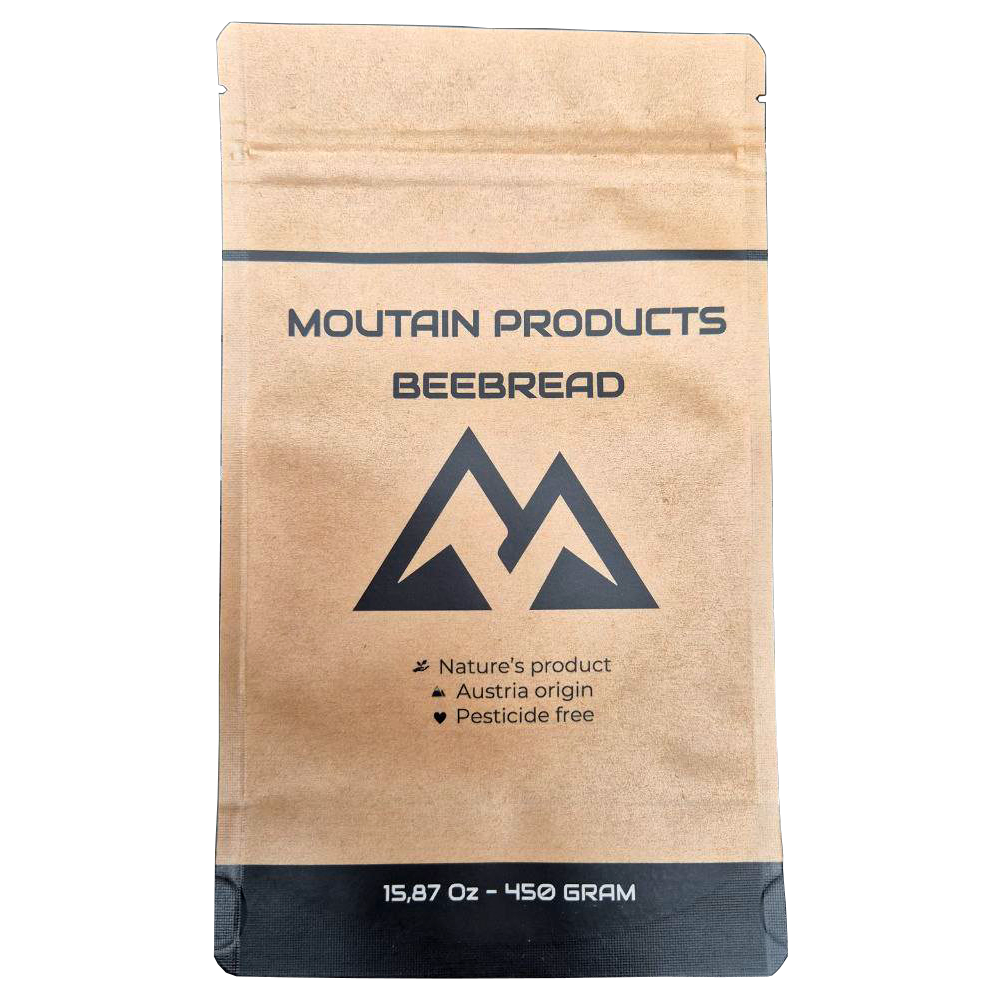
Sourced from Austrian beekeepers with a focus on clean environments and careful harvesting practices.
Pesticide-free
Selected batches are pesticide-free for a product you can feel confident adding to your routine.
How to use
Simple ways to enjoy Bee Bread daily.
Daily serving
Start with 1/2 teaspoon and work up to 1–2 teaspoons per day if desired.
Best with food
Mix into yogurt, oatmeal, smoothies, or take with a spoon of honey. Avoid high heat to keep it gentle.
Storage
Keep sealed, cool and dry. For extra freshness, store in the fridge after opening.
FAQ
Quick answers to common questions about Bee Bread (perga).
What’s the difference between Bee Pollen and Bee Bread?
Bee Bread is pollen that has been naturally fermented and matured in the hive. It has a tangier taste and a different texture than raw pollen granules. Fermentation also makes it more bioavailable.
What nutrients does Bee Bread have?
Bee Bread is considered a nutrient-dense superfood because it naturally contains a wide variety of nutrients such as B-vitamins (including B1, B2, B6), vitamin C, and small amounts of vitamin E. It also provides minerals like magnesium, potassium, iron, and zinc, along with essential amino acids, enzymes, antioxidants, and natural polyphenols. The exact nutrient profile varies depending on the flowers visited by the bees and the season of harvest.
Is it truly pesticide-free?
We select pesticide-free batches from our Austrian partners and handle storage carefully to keep quality consistent.
Can people with pollen allergies take Bee Bread?
If you have pollen or bee-product sensitivities, avoid use. When in doubt, consult a medical professional.
How long does a jar last?
At 1 teaspoon per day, a 120 g jar typically lasts a few weeks. Exact duration depends on serving size.
Reviews
There are no reviews yet.